
Most founders in Silicon Valley are taught a dangerous lie:
"Raise millions, hire 50 people, build a bloated platform, and hope the margins catch up."
The VC treadmill.
High-burn, high-stress, and for most, it leads to an empty bank account.
Alex has walked both paths…

Alex has built a Cash Machine.
A lean, mean profit machine.
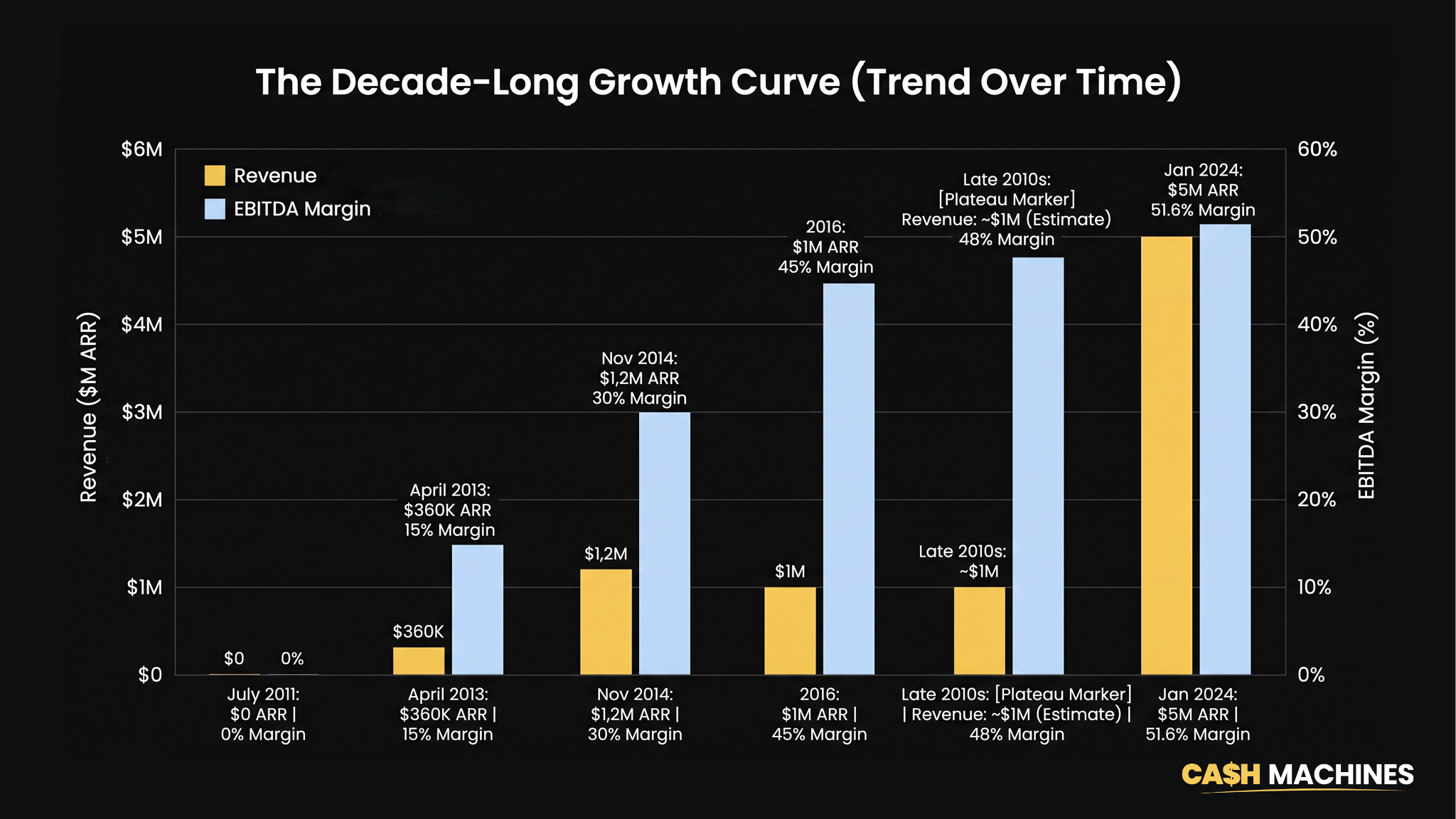
It’s been a rocky journey:
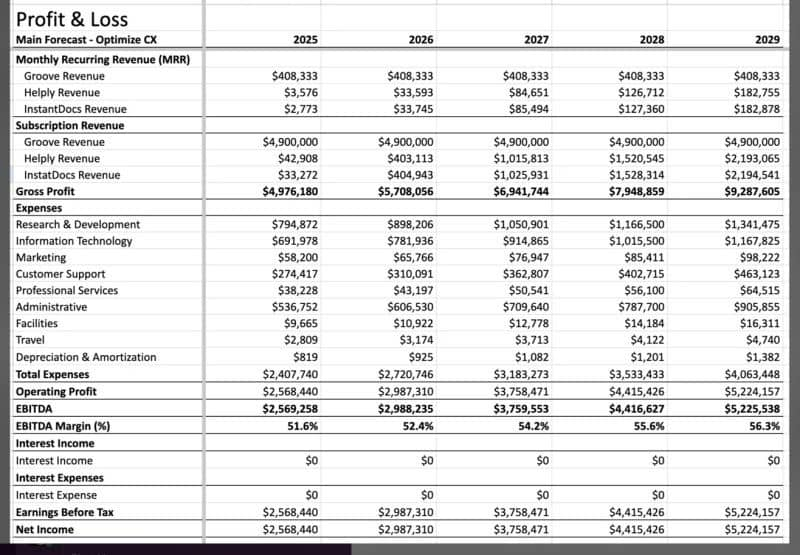
Here’s how Helply sustains their profits:
Alex realized that "one product is a bet, but a portfolio is a system."
By creating OptimizeCX, he’s stacking specialized tools: Helply (Inbox), Helply (AI Agent), and InstantDocs (Knowledge Base), under one roof.
They share the same operational overhead, meaning every new product added has a compounding effect on the bottom line.
While others use AI as a buzzword, Alex uses it as a cost-cutter. He’s noted that AI has dropped build costs by 90%.
Their tool, Helply, resolves 70% of Tier 1 support tickets automatically.
This allows their customers (and themselves) to scale revenue without the traditional 1:1 correlation in headcount.
Since 2013, the "Journey to 100k" blog has been their primary marketing engine.
By building in public, Alex created an authority moat that competitors like Zendesk can’t buy with an ad budget.
Now, with ZeroTo10M.com, he’s turned that authority into its own high-margin revenue stream, a $199/mo academy that feeds qualified leads directly into his software tools.
The Russell Brunson playbook.
Alex follows a "Micro-Private Equity" strategy.
He’s using his cashflow to buy new product extensions.
In February 2025, they acquired Kroto Kreator Labs.
They didn't just "integrate" it; they rebranded it as InstantDocs and added a high-margin documentation tool to the portfolio overnight.
This move saved them at least a year of development time and immediately added a new revenue stream.
The single biggest takeaway from the Helply journey is that you don't need to follow the bloated VC playbook to reach an epic outcome; by staying lean and leveraging AI to decouple support costs from revenue, you can build a sustainable "system" that prints 51.6% margins while your competitors are still trying to hit breakeven.
Or in other works… pick a problem, and grind it out.
Amen to that.